Russ Writes

Retirement Income Reform in Canada

Reform Is Not Just Technical; It Is Moral This blog post is inspired by an article in Canadian Affairs (December 2025) by John Stapleton and Peter Hicks. Stapleton is a recognized expert on low-income retirement, so his perspectives are worth attention.   Retirement income reform is often framed as a technical or fiscal challenge focused on three areas:   Demographics: Canada’s aging...

An Update on My Practice and Looking Ahead to 2026

Update, July 2026: Since this article was published, my own plans have evolved, and I have decided to move more fully into retirement without an ongoing role in financial planning. As a result, the potential arrangement with David Field of Papyrus Planning described below is no longer part of my retirement plans. David and I remain on good terms, and I continue to respect him and his work. Those...

Do You Really Need a Cash Wedge in Retirement?

An Unexpected Retirement Question Robert (Rob) is a 64-year-old DIY investor living in the B.C. Okanagan. Born in 1961, he is turning 65 in February 2026 and will be retiring at the end of that month after a long professional career.   Rob is comfortable managing his own investments; he’s used low-cost ETFs for the last 15 years, and before that, he used index mutual funds. During this...

How Much Tax Should You Withhold from Your RRIF Payments?

I. Introduction A. The RRIF transition milestone The conversion of your Registered Retirement Savings Plan (RRSP) to a Registered Retirement Income Fund (RRIF), which must occur not later than the year you turn 71, but can take place earlier, is a major retirement milestone.   One of the notable elements of a RRIF is that minimum withdrawals do not have mandatory tax withholding. This is...

Risk Management for the Long-Term Investor

The Calm Before the Fear Permit me to introduce an investor whom we’ll call Michael. He is 41* years old, and a disciplined DIY investor who left his full-service investment advisor to build a globally diversified, 100% equity portfolio in early 2023. The portfolio consists of:   45% U.S. equity ETF 30% Canadian equity ETF 18% developed international ETF 7% emerging markets ETF  ...

Why Index Investors Keep Acting Like Stock Pickers

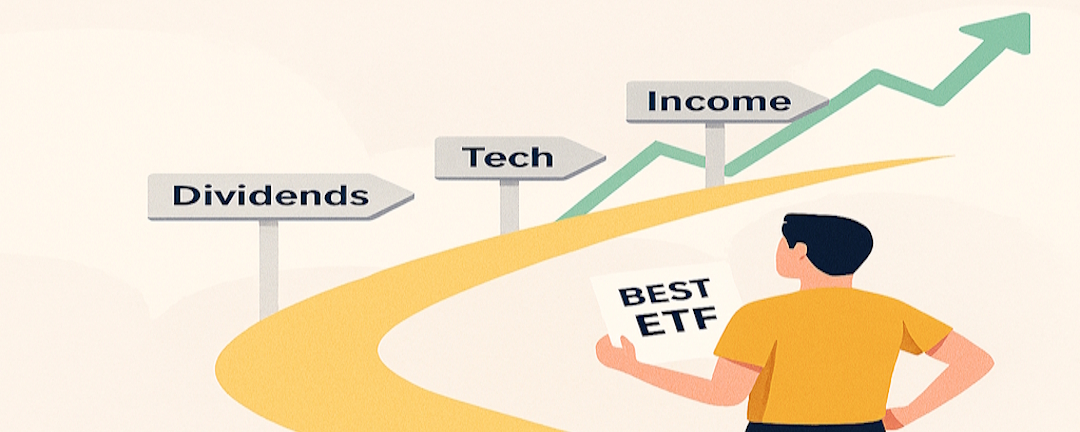
I have joined several Facebook groups that discuss personal finance. Among them there is a lot of discussion about investing through index ETFs.   Somewhat ironically, there are people in this category who repeatedly ask questions about income or dividend ETFs, technology ETFs, or U.S.-listed ETFs that invest only in the S&P 500 or NASDAQ. I find this odd for a community built around...

This is Not a “Consumer Alert”: Tax on the Sole Survivor’s Estate

I came across a recent CTV News Consumer Alert article/video clip about taxes on the estate when the bulk of the deceased’s assets were held in a Registered Retirement Savings Plan (RRSP) and a principal residence that had been owned as a secondary property for most of the deceased’s life. I think that the story, although very sad, is instructive for Canadians who may not have given much...

How Can Stock Picking Be Wrong When It Feels So Right?

Exploring the psychology of stock picking and the evidence for better alternatives   The Problem Emerges The paradox is hard to miss: study after study shows that consistently beating the market through individual stock picking is nearly impossible, even for professionals. Yet many do-it-yourself investors keep trying.   Why? Stock picking feels right. It feels exciting, empowering...

Personal Finance and Stewardship for Low-Income Households

Stewardship is a Luxury For many Canadians earning minimum wage, stewardship feels like a luxury word. It belongs to the vocabulary of the wealthy, people with disposable income, not those just trying to get through the month.   Imagine a single parent working multiple part-time jobs without benefits, facing rising rent, food, and transportation costs. If stewardship simply means “budgeting...

Case Study: Susan’s Retirement – RRSP vs. Non-Registered Investing

When Canadians think about retirement, one recurring complaint is that “RRSPs aren’t fair.” The argument goes like this: you get a tax deduction when you contribute, and your savings grow tax-deferred, but then you’re forced to pay full tax when you take money out of your RRIF. Why not just invest in a non-registered account and avoid all that tax at withdrawal? To test this idea, let’s look at a...